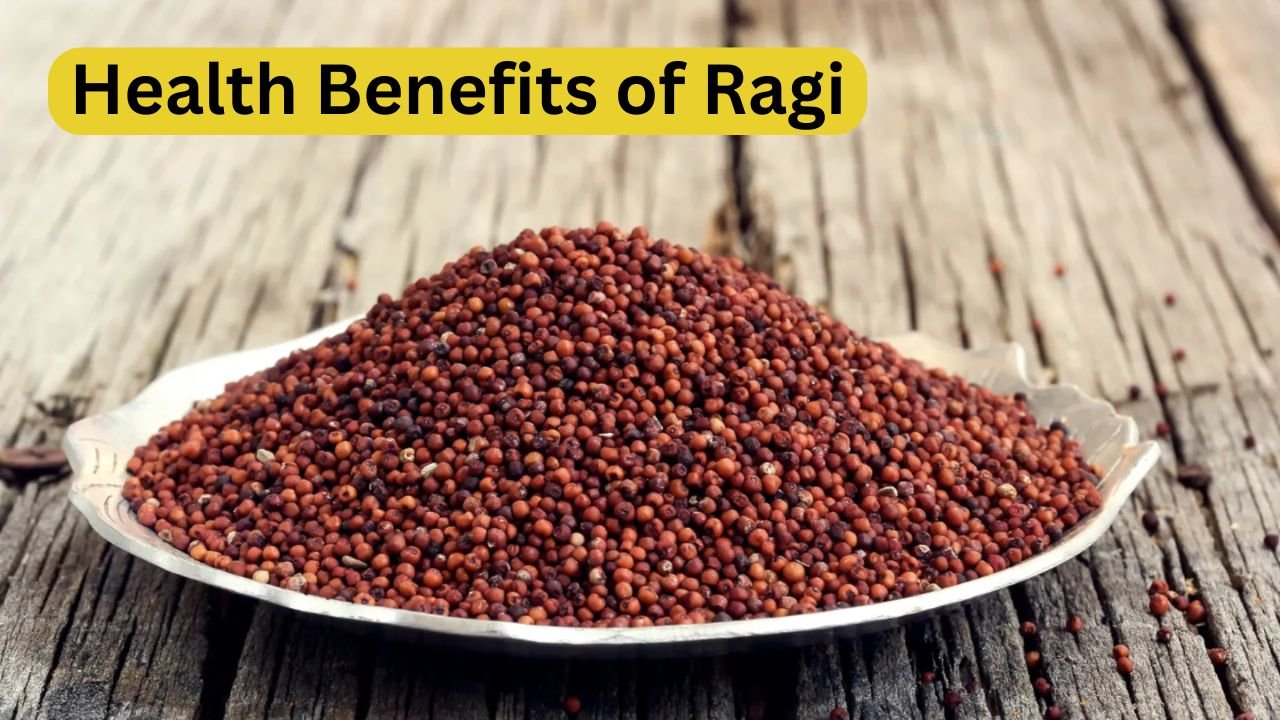
Health Benefits of Ragi: Ragi commonly known as finger millet. It is a highly nutritious grain that has been a staple in Indian diets for centuries. Rich in essential nutrients like calcium, iron, and fiber, ragi has gained recognition as a superfood due to its numerous health benefits. It is widely consumed in various forms, including flour, porridge, and puffed grains, offering versatility in both traditional and modern recipes.
Ragi’s Nutrient Profile
High Calcium Content
Ragi is one of the richest sources of calcium among cereals, providing approximately 344 mg per 100 grams. This makes it an excellent food for improving bone density and preventing conditions such as osteoporosis. Incorporating ragi into a balanced diet is particularly beneficial for children and elderly individuals who require additional calcium intake for bone health.
Abundant Dietary Fiber
The dietary fiber in ragi not only aids digestion but also helps in maintaining healthy cholesterol levels. Fiber also contributes to regulating blood sugar, making ragi an excellent choice for individuals managing diabetes. With a low glycemic index, it slowly releases sugar into the bloodstream, helping in maintaining steady energy levels.
Rich in Iron
Ragi is a potent source of iron, which is crucial for combating anemia. The natural form of iron in ragi can be better absorbed by the body when consumed with foods rich in Vitamin C. This makes ragi a great addition to the diets of individuals who need to improve their hemoglobin levels.
Health Benefits of Ragi
1. Aids in Weight Loss
Due to its high fiber content and slow digestion, ragi helps in keeping you full for longer periods, thus reducing overall calorie intake. The bulkiness of ragi makes it a satisfying meal that prevents overeating, making it a popular choice among individuals aiming for weight management.
2. Improves Bone Health
The high calcium content in ragi is crucial for maintaining strong bones. It’s particularly useful for women, who are at a higher risk of osteoporosis post-menopause. Regular consumption of ragi can provide the necessary calcium to support bone density and prevent bone deterioration.
3. Controls Diabetes
With its low glycemic index, ragi helps in regulating blood sugar levels by releasing glucose slowly and steadily into the bloodstream. This makes it a safe and beneficial food option for individuals with Type 2 diabetes.
4. Reduces Cholesterol
The fiber content in ragi is beneficial for reducing bad cholesterol (LDL) levels in the blood. Ragi contains amino acids like lecithin and methionine, which help lower cholesterol and promote liver function. Regular consumption can help in improving heart health by minimizing the risk of atherosclerosis.
5. Rich in Antioxidants
Ragi is rich in antioxidants, such as polyphenols and flavonoids, which protect the body against free radicals. This aids in reducing oxidative stress and inflammation, lowering the risk of chronic diseases like cancer and heart disease.
6. Promotes Skin Health
Ragi contains methionine, an essential amino acid that plays a role in collagen formation and skin elasticity. It also has natural anti-aging properties due to the presence of antioxidants, which can help in reducing wrinkles and other signs of premature aging.
7. Gluten-Free Alternative
Ragi is naturally gluten-free, making it an ideal choice for individuals with celiac disease or those who are gluten intolerant. It provides a wholesome grain option without causing any allergic reactions, making it a versatile substitute for wheat and other gluten-containing grains.
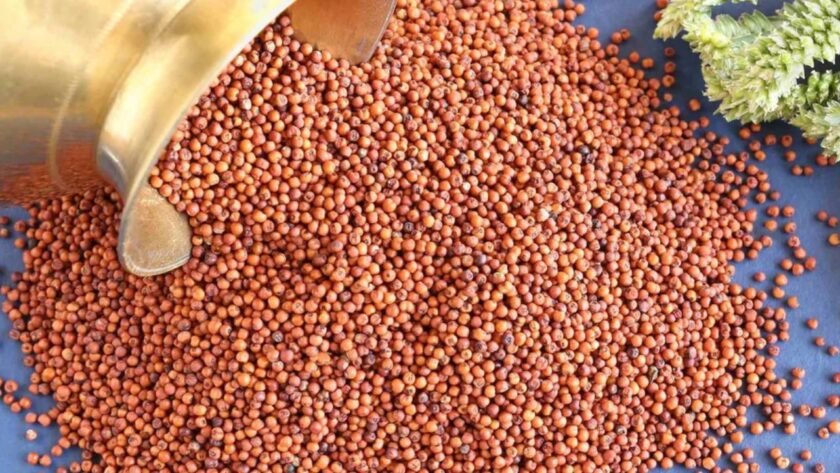
Ragi and Its Role in Traditional Medicine
In Ayurveda, ragi is considered a cooling grain, used to balance Pitta dosha in the body. It is often recommended to strengthen the digestive system, treat inflammation, and enhance overall stamina.
How Ragi Is Used in Traditional Healing Practices
- Ragi Porridge: Widely used as a nutritious meal for babies and elders to improve digestion.
- Ragi Flour: Ground into flour and used to make flatbreads, aiding in lowering blood pressure and reducing joint inflammation.
- Ragi Malt: A popular drink, made from sprouted ragi, consumed to enhance energy and support immunity.
Incorporating Ragi into Your Daily Diet
Ragi Dosa
One of the most popular ways to incorporate ragi into a meal is through ragi dosa. It’s a healthier alternative to traditional rice dosas and is often served with chutney or sambar.
Ragi Porridge
For a simple breakfast, ragi porridge is a nutritious and filling option. It can be sweetened with jaggery and garnished with nuts and fruits for added flavor.
Ragi Roti
Ragi roti is another great way to consume this nutritious grain. It can be paired with vegetables or dal for a wholesome meal.
Ragi Cookies and Cakes
For those with a sweet tooth, ragi cookies and ragi cakes provide a gluten-free, healthy alternative to regular wheat-based desserts.
Ragi for Babies and Toddlers
Ragi is often introduced as one of the first solid foods for babies due to its high nutritional value and easy digestibility. Ragi porridge for infants can be prepared with milk or water, and it provides essential nutrients for growth and development.
- Benefits of Coconut Water: There are many benefits of drinking coconut water
- Benefits of Curd eating in Summer Season, Why you should eat curd in summer?
Ragi and Women’s Health
Post-Menopausal Health
Ragi’s high calcium content is particularly beneficial for post-menopausal women, helping to prevent osteoporosis and strengthen bones.
Pregnancy and Lactation
Ragi is an excellent source of natural iron and calcium, essential for pregnant and lactating women. It helps in maintaining hemoglobin levels and ensuring the proper development of the fetus.
How to Store Ragi for Maximum Freshness
Ragi grains and flour can be stored in airtight containers in a cool, dry place. To extend its shelf life, store ragi flour in the refrigerator. Whole grains can last up to 6 months when stored properly, while flour may last 1-2 months before losing its freshness.
FAQs
1. Can ragi help in weight loss?
Yes, ragi is rich in dietary fiber, which helps keep you full for longer, reducing overall calorie intake and aiding in weight loss.
2. Is ragi suitable for diabetics?
Absolutely! Ragi has a low glycemic index, making it a safe and beneficial food option for people with diabetes.
3. How can I include ragi in my diet?
You can consume ragi in various forms, such as porridge, dosa, roti, cookies, and cakes, depending on your preference.
4. Is ragi gluten-free?
Yes, ragi is naturally gluten-free, making it an excellent option for those with celiac disease or gluten intolerance.
5. Does ragi help in improving bone health?
Yes, due to its high calcium content, ragi is highly beneficial for strengthening bones and preventing conditions like osteoporosis.