In a world where peace should be our common goal, religious violence continues to rear its ugly head in various corners. One such concern was recently highlighted by Bharatiya Janata Party (BJP) leader Suvendu Adhikari, who urged Bangladesh to take stronger action against attacks on the Hindu community within its borders.
Let’s take a closer look at what happened, why it’s important, and what broader message this sends about religious freedom, diplomacy, and humanity.
What Happened: A Political Plea Turns into a Community Cry
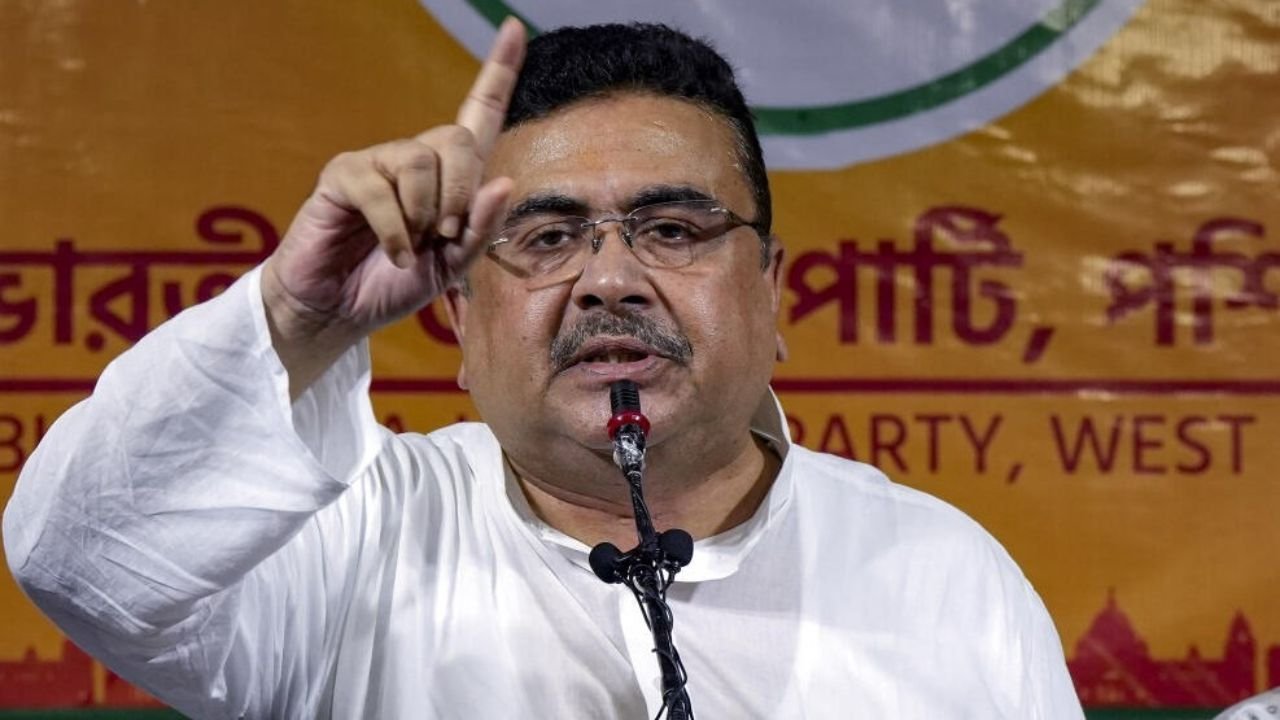
On a recent visit to the Bangladesh Deputy High Commission office in Kolkata, West Bengal BJP leader Suvendu Adhikari made a direct appeal. He urged Bangladeshi authorities to put an end to the rising number of attacks on Hindus in their country.
Suvendu, who also serves as the Leader of the Opposition in the West Bengal Legislative Assembly, was accompanied by several senior BJP members. Together, they submitted a memorandum demanding safety and justice for the Hindu minority in Bangladesh.
Why did he feel it was so urgent to make this move now? According to his statements, the attacks have increased in frequency, creating fear and unrest among Hindu families on both sides of the border.
Why This Matters: Beyond Borders and Politics
Now, you might wonder—why would a state-level leader from India be so concerned about religious incidents in Bangladesh?
Here’s the bigger picture:
- Shared History: India and Bangladesh have deep-rooted cultural and religious ties. Hindu communities in Bangladesh share language, traditions, and spiritual links with many in West Bengal.
- Cross-Border Impact: When violence happens across the border, fear and anger spread quickly among those who have family or cultural ties in those regions.
- Human Rights Concern: Ultimately, Suvendu’s statement isn’t just a political tactic—it highlights a concern for basic human rights, especially those of minority communities who may not have strong voices within their country.
Religious tolerance is not just a local issue—it resonates globally.
Diplomacy Over Division: What Suvendu’s Memorandum Said
In the memorandum handed over to the Bangladesh Deputy High Commission, Suvendu and his team made several key points:
- Immediate action to stop violence against Hindus in Bangladesh.
- Fair investigation into attacks, looting, and harassment cases.
- Accountability for those responsible for provoking communal unrest.
He didn’t stop there. During a media interaction afterwards, Suvendu emphasized that protecting minority rights is not just a constitutional duty but also a moral obligation for any government, including Bangladesh’s.
The Message Behind the Message: Standing Up for Minority Rights
It’s easy to see incidents like this as isolated events—something happening “over there.” But the real message Suvendu is trying to push forward is one that deserves attention everywhere: Minorities deserve protection, no matter where they live.
History shows us—time and again—that when minority rights are ignored, the consequences ripple across borders, societies, and generations. We’ve seen this in various parts of the world, from the Rohingyas in Myanmar to the Uyghurs in China. And now, concerns rise around the Hindu community in Bangladesh.
So, Suvendu’s call is not just about borders—it’s about basic human decency.