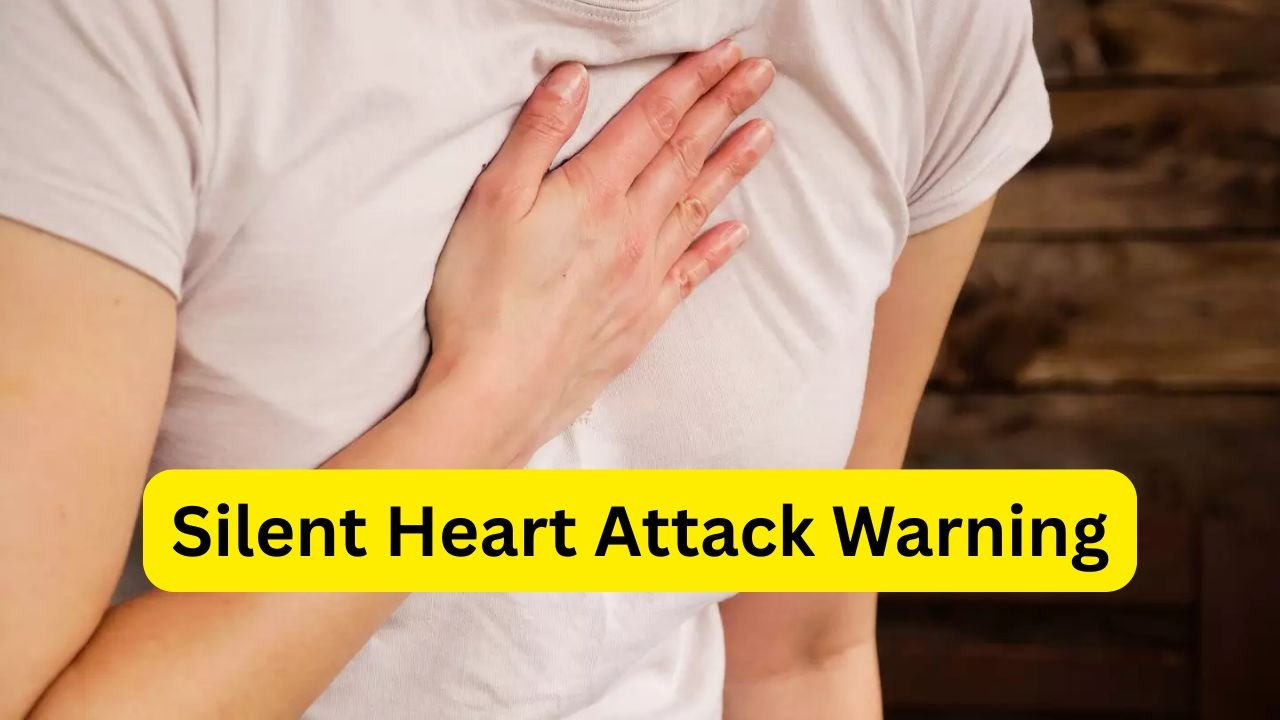
Medical experts are sounding the alarm after a recent case revealed how easily heart attack symptoms in women can be missed. Orthopaedic surgeon Dr. Obaidur Rehman shared the story of a 36-year-old mother who ignored key warning signs.
The woman experienced “extreme unexplained fatigue” that made her arms feel heavy by 10 a.m. This was followed by nausea and shallow breathing. She dismissed the symptoms as mere tiredness. Eight hours later, she suffered a heart attack.
Dr. Rehman described this as “atypical myocardial ischemia.” He said it is common in women and deadly because it is quiet. “No dramatic chest pain. Just signals so subtle they get blamed on stress, acidity, or sleep,” he stated.
Cardiothoracic surgeon Dr. Saumya Sekhar Jenasamant agreed with this assessment. She said many women do not get the classic chest pain shown in films. “Instead, early symptoms may include unexplained fatigue, nausea, breathlessness, dizziness,” Dr. Jenasamant explained.
These unusual signs are a main reason heart attacks in women are often recognized too late, she added. The symptoms are frequently mistaken for common issues like stress, acidity, or anxiety. Younger women rarely consider heart disease a possibility.
Dr. Jenasamant warned that any sudden, unexplained exhaustion that feels excessive should raise concern. This is especially true if accompanied by nausea, sweating, breathlessness, or discomfort in the jaw, neck, back, or arm. These signs warrant immediate medical evaluation.
Can young women with no known heart issues be at risk? Dr. Jenasamant stated absolutely. Factors like high stress, smoking, a sedentary lifestyle, and poor sleep increase risk. Medical conditions such as PCOS, pregnancy complications, and autoimmune diseases also play a role. A strong family history is another significant factor.
“Heart disease is not just for older men,” Dr. Jenasamant emphasized. She also noted that women can be prone to forming blood clots. Conditions like antiphospholipid syndrome or the use of oral contraceptives can elevate this risk. This may lead to clots in heart vessels.
To reduce risk, doctors recommend key lifestyle changes. Regular physical activity, stress management, and adequate sleep are crucial. A balanced diet and avoiding tobacco are also vital. Regular health check-ups to monitor blood pressure, sugar, and cholesterol are important.
Dr. Jenasamant’s final advice is clear: listen to your body. “If something feels unusually wrong, seek medical help early,” she stressed. Trusting persistent symptoms could be life-saving.
Disclaimer: This article is based on information from public domain sources and expert statements. Always consult your healthcare provider for personal medical advice.