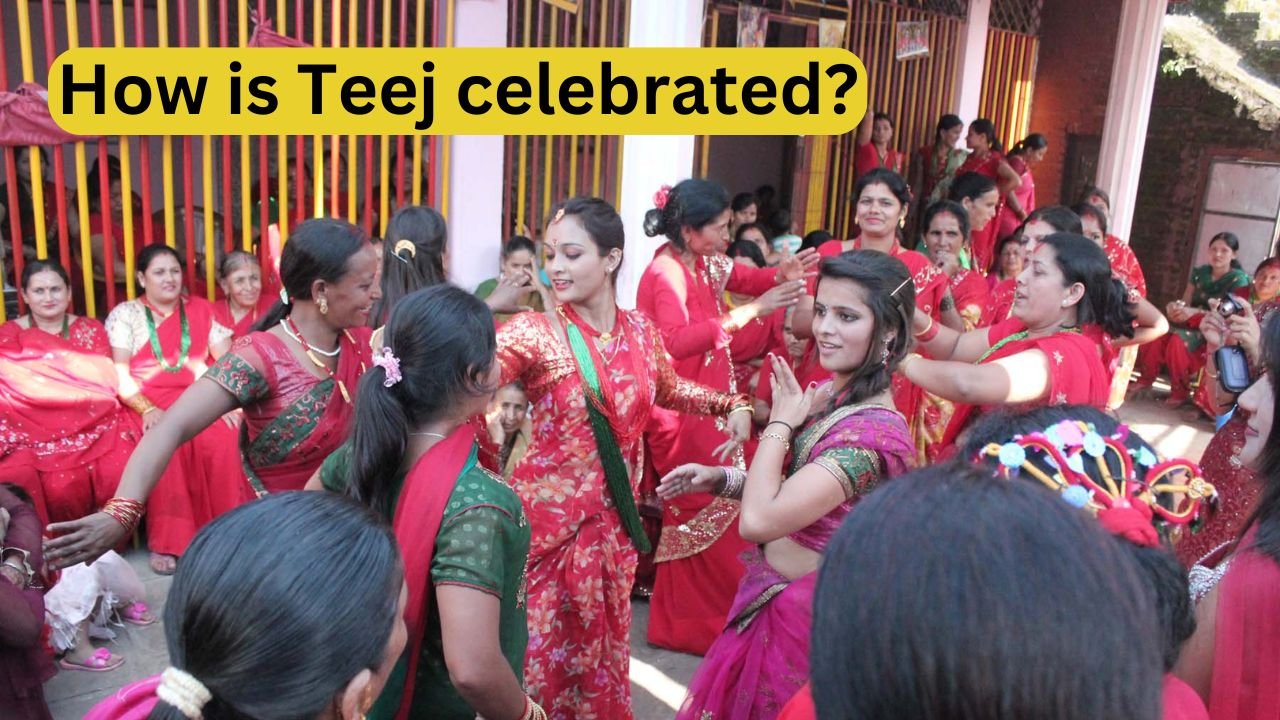
Teej is celebrated with great enthusiasm and devotion, especially in India and Nepal, where it holds deep cultural and religious significance. The festival, particularly Hartalika Teej, involves various rituals, fasting, and communal activities that reflect devotion, marital harmony, and feminine resilience. Here’s how Teej is traditionally celebrated:
How is Teej celebrated?
Teej is a festival rich with rituals, symbolism, and joy. It is a time for women to connect with their spirituality, honor their relationships, and celebrate the strength of community. Through fasting, prayer, music, and dance, Teej offers a profound expression of devotion.
1. Fasting (Vrat)
One of the most significant aspects of Teej is the strict fasting observed by women, especially married women. Many fast without food and water (nirjala vrat) for the entire day, praying for the long life and well-being of their husbands, or for unmarried women, seeking a good husband like Lord Shiva. This fast is seen as an act of deep devotion, similar to Goddess Parvati’s penance for Lord Shiva.
- Nirjala Vrat: Women abstain from both food and water.
- Phalahari Vrat: Some women may consume fruits and water in the evening, but the strict fast is more common.
2. Morning Ritual Bath
The day begins early, with women taking a ritualistic bath as part of the purification process. Many use water infused with natural ingredients like red sandalwood, rose petals, and sesame seeds. The bath symbolizes cleansing of the body and mind before they begin their day of fasting and prayers.
3. Adorning in Traditional Attire
Women wear brightly colored saris, typically in shades of red and green, symbolizing prosperity and marital bliss. They also adorn themselves with intricate jewelry, bangles, and henna (mehndi) on their hands and feet. The process of dressing up in such finery is a way to celebrate their femininity, devotion, and joy in marital life.
4. Hartalika Teej Vrat Katha
A central part of the Teej celebration is the narration of the Hartalika Teej Vrat Katha, which recounts the story of Goddess Parvati’s penance and determination to marry Lord Shiva. Elder women or priests narrate this sacred story in temples or homes, with women gathering around an idol or image of Goddess Parvati. They listen to the tale intently, sometimes even enacting parts of the story.
- The Parvati idol is dressed in vibrant clothing and jewelry, with offerings like flowers, fruits, and sweets placed before her.
5. Prayers and Rituals
Women perform pujas (prayers) to honor Goddess Parvati and Lord Shiva, seeking blessings for marital bliss and the well-being of their families. They offer items like bel leaves, lotus flowers, and fruits at temples or domestic altars. In many places, women also create makeshift altars in their homes where they worship.
6. Singing and Dancing
Teej is a joyful celebration marked by folk songs and traditional dances. Women gather in groups, singing songs that often reflect the themes of love, devotion, and the challenges of married life. These folk songs are passed down through generations and evoke a sense of community and shared experiences.
- In Rajasthan and Bihar, traditional Teej songs are sung, and women engage in Ghoomar or other regional dances.
- In Nepal, Teej dances are a major part of the festival, with women dancing in large gatherings, often in open spaces or temple courtyards.
7. Swinging on Decorated Swings
Another symbolic element of Teej celebrations is the practice of swinging. Swings are adorned with flowers and hung from large trees, and women take turns joyfully swinging. The swing represents the monsoon rains and the rhythm of nature, with women celebrating the renewal and fertility of the earth.
8. Feasting and Special Meals (Sattvic Food)
After the day-long fast, the women break their fast by offering prayers to the moon and consuming a simple, sattvic (pure and light) meal, often consisting of fruits, nuts, and sweets. The meal is prepared with great care and is often shared among family members.
- Prasad: After prayers, women share prasad, which includes fruits, sweets, and other offerings made to the gods.
- Feast before Fasting (Dar Khane Din in Nepal): In Nepal, the day before the fast, women gather to enjoy a grand feast called Dar Khane Din, eating a variety of rich, delicious foods in preparation for the strict fast.
9. Colorful Fairs and Processions
In many regions, Teej is celebrated with vibrant fairs and processions. Markets are bustling with festive goods, like jewelry, bangles, and Teej sweets. In Rajasthan, for instance, there are elaborate processions where a decorated idol of Goddess Parvati is carried through the streets, accompanied by music, dance, and large crowds.
- Teej Fairs: In cities like Jaipur, Udaipur, and Jodhpur, the streets come alive with Teej fairs, where people shop for festive items, enjoy traditional foods, and partake in community celebrations.
- Processions: In some places, the procession of Goddess Parvati is a grand event, with the idol carried in a palanquin amidst chanting and prayers.
10. Nepal’s National Celebration
In Nepal, Teej is celebrated with even greater fervor, marked by a national holiday. Women, clad in bright red saris and jewelry, gather in temples and open spaces for collective singing, dancing, and worship. Pashupatinath Temple in Kathmandu is a major center of Teej celebrations, where thousands of women gather to pray and seek blessings from Lord Shiva.
11. Breaking the Fast
As evening falls, women break their fast after sighting the moon and offering prayers. The ritual concludes with a simple meal, often shared with family members. This act symbolizes the completion of their spiritual commitment and the renewal of their prayers for a happy and prosperous life.