On the 6th of September 2024, as the monsoon rains drench the soil, millions in India and Nepal prepare to observe Hartalika Teej, a celebration steeped in devotion, rigorous fasting, and the sacred bond of marriage, dedicated to Goddess Parvati and Lord Shiva. This festival carries profound spiritual importance, particularly for married women, though many unmarried women also participate, praying for a virtuous spouse like Shiva.
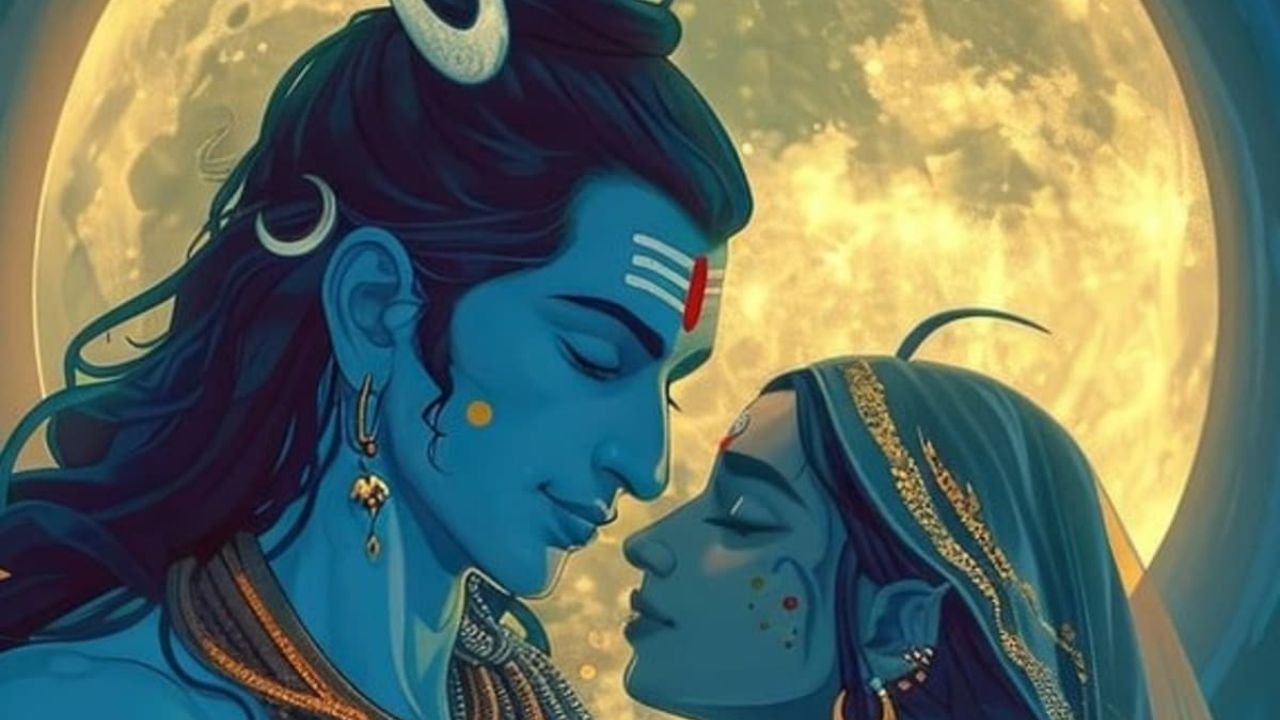
Hartalika Teej occurs on the third day of the waxing phase of the Hindu lunar month Bhadrapada. The term ‘Hartalika’ is a fusion of ‘Harat’ and ‘Aalika’, which translate to “abduction” and “female companion,” respectively. As per mythology, Goddess Parvati’s friend abducted her to prevent her from being married to Lord Vishnu, an arrangement made by her father. Parvati then performed intense penance in the dense forest, hoping to win Shiva’s heart, which she did successfully. Hence, the day immortalizes Parvati’s unwavering devotion and her quest to marry Lord Shiva.
The day of Hartalika Teej begins early, with women taking a ritualistic bath using water mixed with red sandalwood, sesame seeds, and rose petals—each element symbolizing spiritual purification. Draped in vibrant green or red saris, signifying prosperity and wedded joy, women gather to perform sacred rituals. They carry offerings like flowers, fruits, and sweets to be presented at temples or domestic altars.
The essence of the festival lies in the recital of the Hartalika Teej Vrat Katha, a captivating tale shared by elder women or priests. This narrative recounts Parvati’s intense penance and the hurdles she surmounted to marry Shiva. As the story unfolds, women, seated around Parvati’s idol adorned with jewels and colorful attire, listen with rapt attention, sometimes even enacting parts of the narrative.
Fasting is a vital element of Hartalika Teej, with many women abstaining from food and water after the morning meal until the next day’s sunrise. This fast is one of the most demanding and is observed with great reverence, believed to ensure the longevity and prosperity of their husbands and families.
Music and dance are integral to the festivities. Women sing folk songs, dance together, and express their exuberance through rhythmic movements. These communal activities symbolize unity and strengthen the festive spirit, creating joy even amid the austerity of fasting.
In regions such as Rajasthan, Bihar, Uttar Pradesh, and Madhya Pradesh, Hartalika Teej is marked with colorful fairs and social gatherings. In Nepal, it is a national holiday, celebrated with equal enthusiasm. Markets are adorned with festive decorations, offering an array of sweets, jewelry, and other goods for the occasion.
Hartalika Teej is more than a festive gathering; it is an homage to the sanctity of marriage, reflecting the legendary love and loyalty shared by Shiva and Parvati. It reinforces the importance of marital harmony and enduring love within the framework of contemporary life.
As dusk falls, women complete the ritual by making offerings to the moon, finally breaking their fast. The post-fast meal, often consisting of fruits, nuts, and sattvic (pure) foods, is prepared with care and shared after prayers are offered to the moon.
The festival also underscores the connection between nature and Hindu traditions, as the monsoon season is seen as a time of rejuvenation and fertility. Hartalika Teej embraces this ethos, celebrating not only the sacredness of marriage but also the life-giving rains essential for agricultural communities in India and Nepal.